
Table of contents
I spent the first week of September in Paris at Texworld and Première Vision. The seasonal face-to-face reality check with textile suppliers (fabric mills) wanting to work with European buyers. From conversations with exhibitors and buyers, I got an understanding of what has changed and why the old model is no longer working. Here are some thoughts I left Paris with.
Exhibitors are talking about less relevant visitor traffic and shrinking exhibition areas. Buyers say that Texworld has become “an in-person Alibaba marketplace”, and “PV is slowly becoming a fancy version of Texworld”. Most new exhibitors are excited about their first show, but those who have been there a few times don’t think they’ll be back next season. Those who have been there many years are too afraid they’ll lose the good floor position if they leave. The European mills are talking about moving to Milano Unica, the Turkish are moving to Texhibition, the Asian mills are cycling through to replace those who are leaving.
Suppliers are solution oriented, but will moving to another show solve the problem? The trade show model hasn’t changed much in 20 years, but the way buyers buy has changed dramatically. My writing today is not about solutions. This is about looking at the problem from the supplier’s perspective.
I’m assuming that exhibitors at PV and Texworld are there to enter and grow in the European market - to connect with new and current buyers. Trade shows are marketplaces. If buyers don’t show up → suppliers don’t exhibit.
So why are there fewer relevant buyers at the textile trade shows?
Why are trade shows not bringing business to the fabric mills exhibiting?
Quick Context
Simplified, there are primarily two models in the business of textiles. The “Nomination” model and the “Full Package” model.
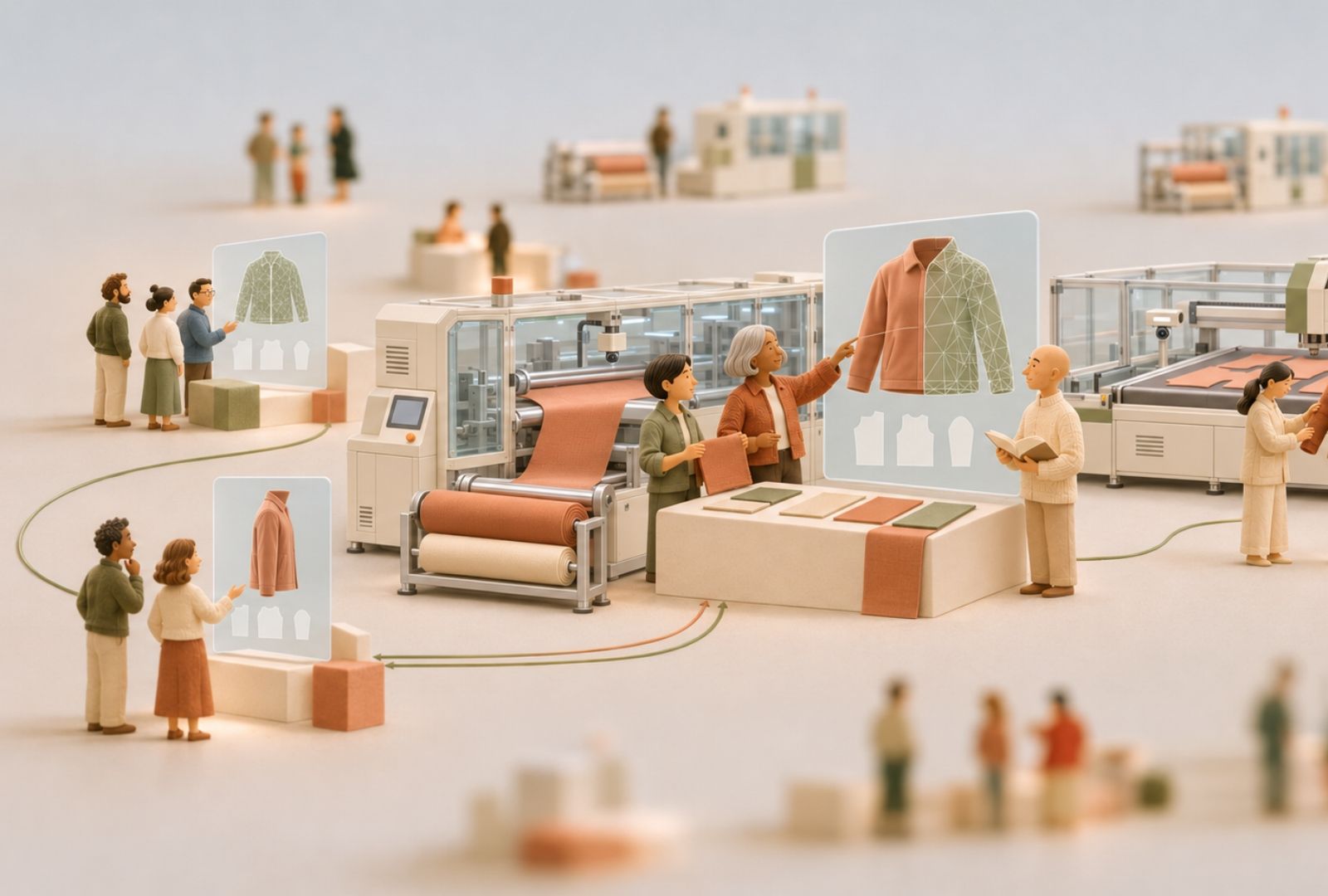
In nomination, the buyer (retailer/wholesaler) chooses the fabric and instructs the garment maker to procure the fabric from the nominated mill. In full package, the buyer goes to a garment maker with a product idea/design, the garment maker provides design and development services, sources the fabric, and delivers the full package ready-made product to the buyer. Buyers also often refer to this as “vendor sourced fabric”.
For a buyer, the full package model is a lot easier. One vendor to deal with, one to blame if something goes wrong, one price, everything taken care of. What’s not to like?
From my conversations on the trade show floor, it’s clear that most European mid-sized apparel brands have moved to the full package model. Only the big brands and buyers with special needs are nominating fabric. Europe is a fragmented market, with many mid-sized brands and only a few large giants in each key market. When I asked how most fabric mills are doing business with European brands, they generally answered “through the garment maker”.
The full package model got strengthened during Covid, when buyers could not travel. Many garment makers realised they could make life easier for the buyers, and make a lot more money relative to “Cut, Make, Trim (CMT)” manufacturing.
So why are there fewer relevant buyers at the textile trade shows?
Most buyers now get their fabrics from the garment maker full package. They choose from what is offered by the garment maker. Going to textile trade shows to see fabric doesn’t really make sense to them, because they don’t nominate fabric anyways. Those who still visit trade shows to see fabric hold the answer to the second question.
Why are trade shows not bringing business to the fabric mills exhibiting?
The buyers that do go to textile trade shows will ask the fabric mill for sample hangers. They will take those hangers and bring them to their garment maker. They’ll say to the garment maker “I want to use this fabric for my garment”. The garment maker will then go to their existing network of fabric mills and counter-source the same fabric. Any fabric mill with the right equipment, skill, and time can take a fabric cutting, pull it apart, and produce a replica. It’s a standard service offered by fabric mills. It’s not 100% the same fabric, but most buyers won’t notice. The mill that originally invested in developing the fabric is often not the one receiving the order.
Most buyers seem to be unaware/don’t care that the garment maker ends up getting the fabric from a different mill than the one they shared. In the end, they get the final product looking the way they designed it.
Why should the buyer care who gets the fabric order?
We’re getting closer to the root problem. But first, we need to understand that garment makers and buyers make fabric decisions based on very different criteria and priorities.
In conversation with one of the world’s largest garment makers, they told me “price, ease of working, availability, and familiarity are what matters to us”. Any competent fabric mill can match all four. Most garment makers also have simple, yet sophisticated ways of baking extra margin into the fabric sourcing part of the business. The garment maker is incentivised to sell the fabric they have the best margin on - not the most innovative, sustainable, beautiful etc. fabric that many designers choose fabric for.
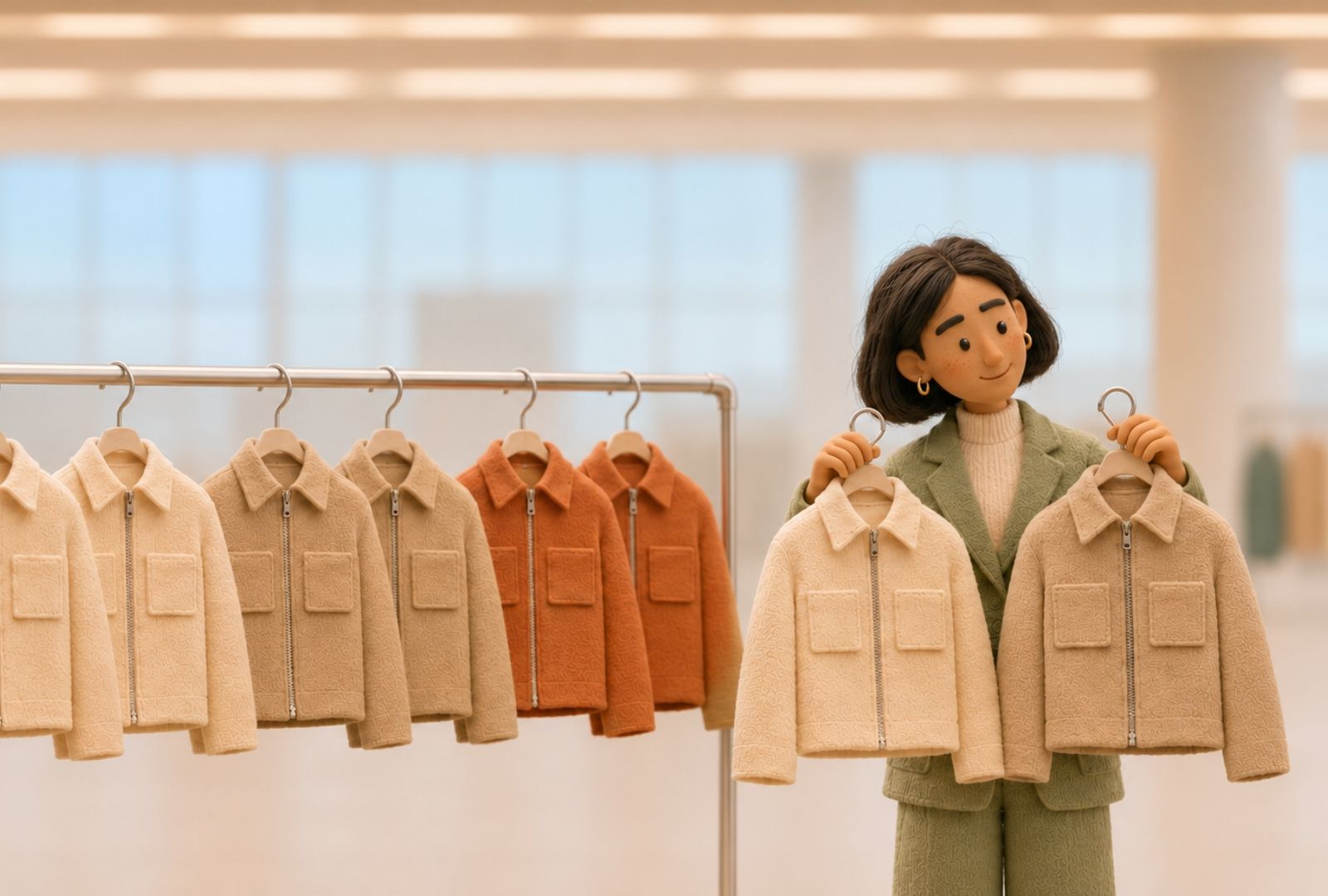
The comparison the industry itself uses is a “one-stop-shop supermarket”. The shopper buys what is on the shelf and does not ask why this product and not another. Stocking the shelf is the supermarket's business, and the supermarket stocks what is convenient and profitable for the supermarket. A mid-sized brand buying full package is choosing from a shelf its garment maker has stocked, by the manufacturer's criteria.
If you’re a buyer - here’s a test for you. Try to nominate your own fabric with your existing full package garment maker. You are very likely to get 101 reasons for why your fabric will create lots of problems, and that their fabric is better. It’s important to add that fabric nomination makes things more complex for the buyer, and most buyers today are not equipped nor ready for this responsibility.
Brands are under pressure in an increasingly complex retail landscape. The response has been for many to cut fixed overheads such as material sourcing and production expertise. Because of the full package model, garment manufacturers are taking care of this job for a higher variable cost per garment. Even though, I’m mainly highlighting the problems of the full package model, I need to highlight that there also are many benefits.
Buyers traded fixed cost for variable cost, but are we aware of the consequences and how it’s changing the textile industry?
We’re ending up with a textile industry that’s driven by the garment maker’s priorities, not by what the end buyer truly cares about. Fabric mills are being rewarded for being cheap, easy, available and familiar. They stop investing in what end buyers value - innovation, sustainability, premium quality - because the buyers don’t hold the decision that matters to the mill.
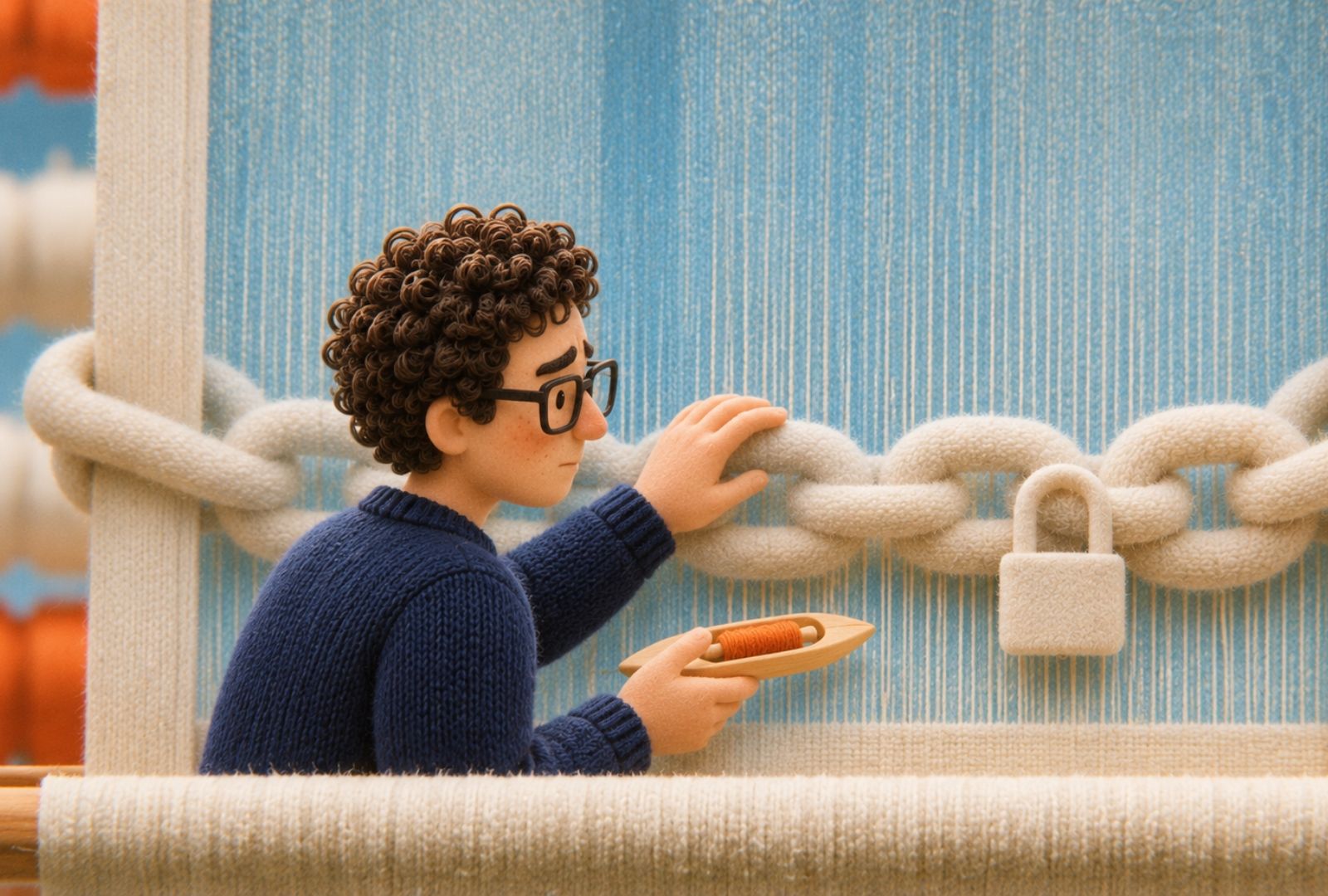
The mill is judged by one party and paid by another. In the full package model, only the paying party holds the final decision to place the order that turns into money for the mill. The brand's opinion never arrives as an order.
Together, the judge and paying party form a spiral:
- The buyer leaves the fabric offering to the garment maker.
- The garment maker chooses its fabric offering on their own criteria.
- Fabric mills follow the garment maker's criteria. They follow what’s being rewarded with orders.
- Mills stop investing in what end buyers value.
- The fabric on offer becomes more generic. Design, innovation etc. is not the criteria.
- The buyers see less fabric in the marketplace that appeals to their criteria and have less reason to go back to nomination.
- Return to step 1.
No party in the spiral is acting unreasonably. The brand is limiting its risk. The garment maker is running its business. The mill is responding to its customer. That is why the spiral tightens on its own, and why each party can accurately say the others are behaving sensibly.
The final frontier of fabric mills driven by end buyer’s priorities are exhibiting at the trade shows, where the fabric is judged by the buyer. Buyers take the fabric to the garment maker, who counter-sources the fabric with their existing fabric partners. Remember, the garment maker holds the final decision on where the fabric comes from in the full package model. That’s the deal the buyer has agreed to.
The result of the spiral is the slow commoditisation of the textile industry. Not because fabric is a commodity by nature. A good fabric is a designed and engineered product.
We nurture what we reward. If we don’t reward the ones driving fabric design, engineering and innovation, we’ll slowly lose them.