

Table of contents
Some of the strongest scepticism I met was during my PhD in fashion, and even after completing it. “What will you do with that?” I can understand the scepticism because I, too, was not familiar with the PhD process. However, when I was given the opportunity to pursue one, I was curious. I found that the PhD trained a way of thinking that has allowed me to view the fashion industry differently.
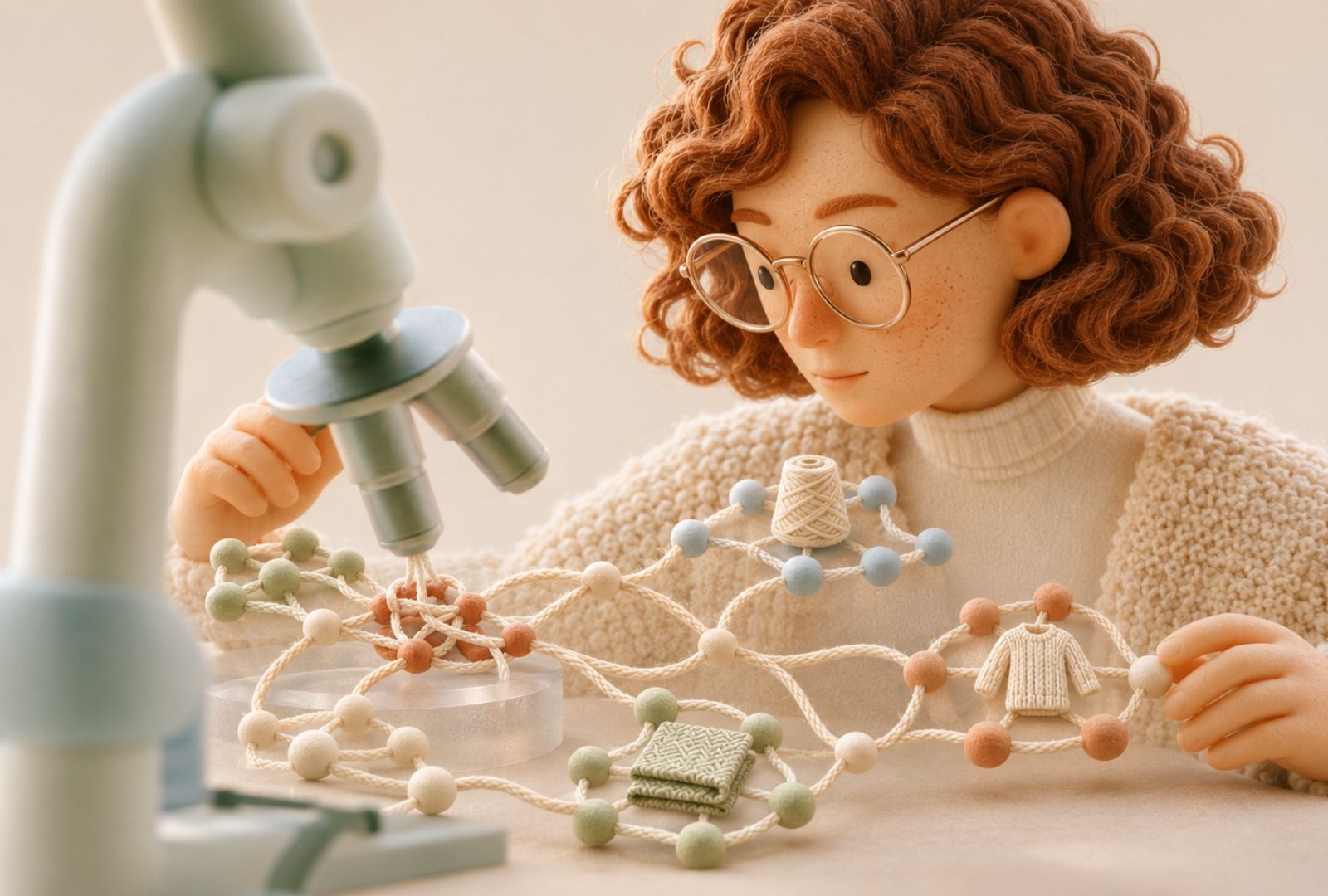
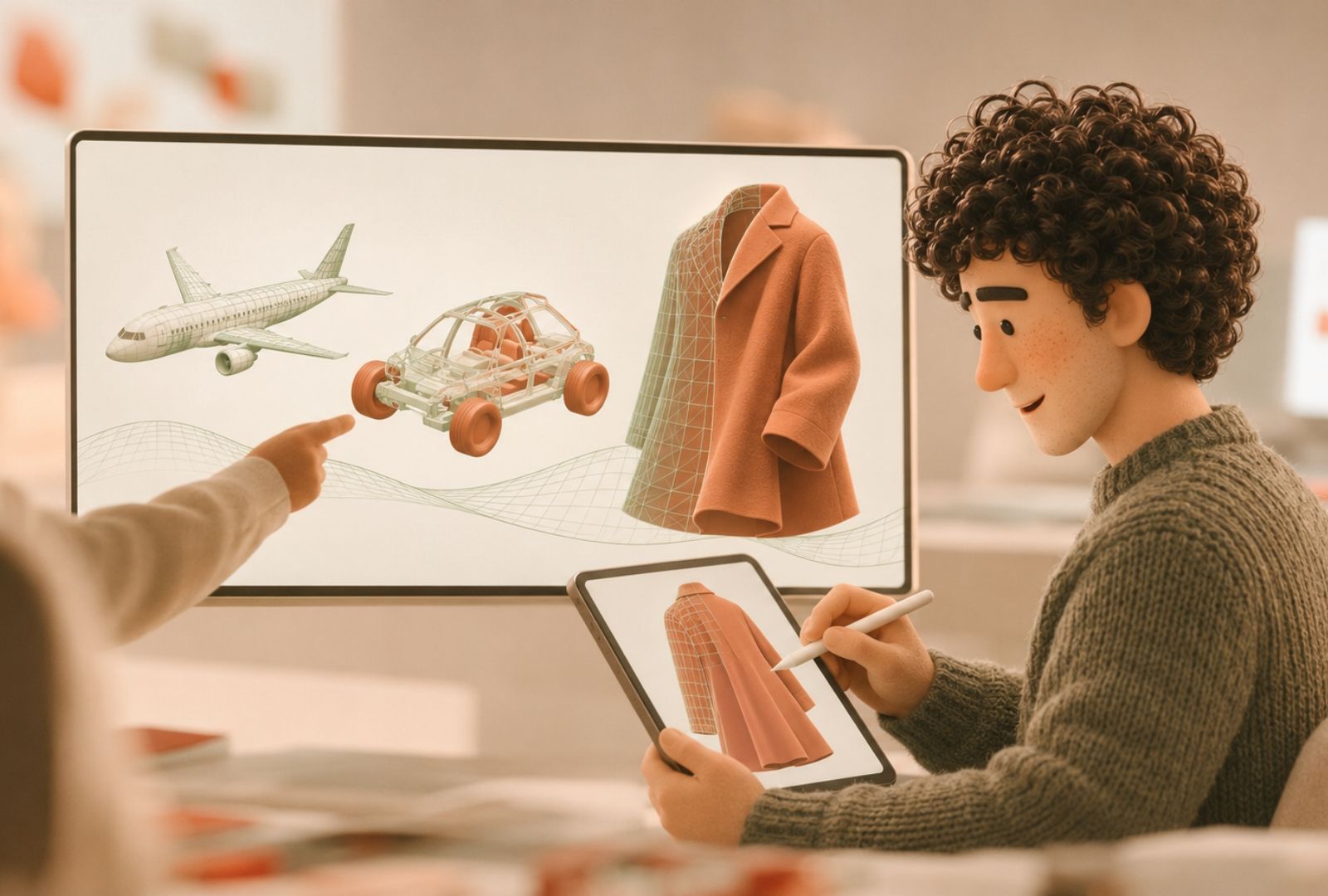
My PhD explored the impact of virtualisation, such as virtual fabric scanning and 3D design software, in garment product development. It started out as studying the technology, but quickly turned to the very human elements of fear and belonging. In our industry, where the processes are often still manual, there is this fear that technology is going to overtake our roles. We therefore question where we belong in the equation. I found that one reason the fashion industry is slow to adopt virtual technology is this human barrier. I explored theory around technology uptake, adoption and implementation, and how this applies to the fashion industry.
I also found the academic literature vague and filled with impractical fashion technology. Industry literature felt like another sales pitch for the next big wave of innovation. I found a disconnect between academia and industry in their understanding and expectation of virtual technology. Academia is missing the practicalities in a real-world context. The industry lacks theory behind technology uptake and adoption, and the understanding of what it takes for it to succeed. This disconnect can be another barrier. The topic of technology adoption is already complex, and understanding these barriers can be even more so.
As we saw in An efficiently inefficient industry, the fashion industry is complex and chaotic, especially in how we approach its challenges. We need more fashion research because we need to be able to organise and compartmentalise these abstract concepts and challenges so that we can understand them. Doing that objectively, before we act on finding a solution, could lead to better decision-making and to solutions that target the root cause of these problems rather than the symptoms. Maybe some of the challenges that we face exist because we are missing the theory and the scientific training that other product industries have.
More practitioners in research
In my experience, a PhD is not the traditional way into fashion, which is probably why there are not a lot of PhDs in fashion. However, we need more fashion practitioners in research. A PhD can give a person the kind of training and thinking that the industry is missing.
I used to think research was intimidating, and I believe others feel the same. I am trying to soften the stigma that you have to be a genius to do research. Fashion is a very human field. If we are designing or making, it is all human-centred. My PhD gave me a deeper understanding of why we, as humans, do what we do, and of how our organisations reflect our human behaviour. Training that thinking can make you stronger at approaching challenges through human-centred design.
Research thinking is very similar to design thinking. For example, research is definitely part of a designer’s job because you are still trying to find what the problem is and design the solution for it. The outcome is either a garment that functions or an overall question that you are curating and researching, just like you do in a PhD. Being trained as a designer helped me in doing a PhD because it helped me organise my thoughts.
For someone who is analytical and creative, a PhD is a way to train both. I had the misconception that research was less creative and less fun than playing with fabric. However, both research and the creative process require focus, discipline and a methodology that is defensible and foundational. In the same way, you are still crafting, whether that is a sculpture, a jacket or a PhD thesis. It is just a different medium.
For a creative, it can be hard to focus your ideas and organise them when there is so much information nowadays. A PhD can provide a methodology to consider the source, the variables and the context of the text. This is very much the curation process that you do as a designer. It is a bit more objective because it is not based on what you like.
Research gives us a framework to tackle challenges without becoming distracted by the jargon of industry and academia. It is a practical way for us to start doing the work and provide solutions instead of just talking about them, therefore pushing our industry forward.
This is not me trying to persuade you to do a PhD, but it should not be an uncommon path for fashion students or practitioners. It should be encouraged.
Where does research fit?
A PhD is not really something our industry values as much as work experience. If not in the industry, the stereotype is that PhD fashion researchers belong in academia. During my PhD, I taught on the side. What I experienced is that research is also not prioritised, with little time allocated to it and more time on teaching. Research requires headspace and deep thinking, and many academics struggle when they are pulled away to other responsibilities. I cannot speak for other fields, but in fashion academia in particular this is a problem. If research does not fit in the industry or in academia, where does it fit? I believe there is a hybrid method, and it is what I do in my work at INQOVA every day, bridging academic practice and industry. It also means being able to take this way of thinking and apply it to interdisciplinary topics across fashion.